

The Roar of Victory: Capturing the Essence of Sport Action
Sports photography is more than just freezing a moment in time—it’s about capturing the raw emotion, energy, and drama that define athletic competition. From the split-second a sprinter crosses the finish line to the heart-stopping dive of a goalkeeper, every sport offers a unique visual story. The challenge for photographers is to distill that intensity into a single frame, preserving not just the action but the spirit of the moment. Whether you’re an amateur with a smartphone or a seasoned professional with a high-end DSLR, understanding the nuances of sport action can elevate your images from ordinary snapshots to powerful narratives.
In this guide, we’ll explore the techniques, tools, and creative approaches that bring sport photography to life. We’ll delve into the importance of timing, the role of equipment, and the art of composition. You’ll also learn how to anticipate the unpredictable, work with challenging lighting conditions, and connect emotionally with your subjects. By the end, you’ll have the knowledge to transform fleeting athletic moments into timeless images that evoke the roar of victory.
The Power of a Single Frame
At its core, sport photography is about storytelling through still images. A great action shot doesn’t just show a player kicking a ball or a runner mid-stride—it conveys the sweat on their brow, the strain in their muscles, and the determination in their eyes. The best photographs capture the peak of emotion: the exhilaration of scoring a goal, the agony of a missed shot, or the camaraderie of a team celebrating together. These images become more than just visual records; they become icons of human achievement and perseverance.
Consider the iconic images of athletes like Usain Bolt, Serena Williams, or Cristiano Ronaldo. Their photographs aren’t just about the sport—they’re about the personality, the grit, and the moments that define their careers. Whether it’s Bolt’s record-breaking 100-meter dash or Williams’ triumphant fist pump, these images resonate because they encapsulate the essence of what makes sports so compelling. As a photographer, your goal is to find those fleeting moments where athleticism, emotion, and drama converge.
Essential Techniques for Capturing Sport Action
To master sport photography, you need a combination of technical skill and creative intuition. The following techniques will help you freeze action, convey motion, and create dynamic compositions that draw the viewer in.
1. Mastering Shutter Speed
The shutter speed is the most critical setting for capturing fast-paced action. A fast shutter speed (typically 1/500s or higher) freezes motion, ensuring that the athlete’s form is sharp and clear. For sports like sprinting or basketball, where movement is rapid, a shutter speed of 1/1000s or faster is often necessary to avoid motion blur. Conversely, a slower shutter speed (1/250s or slower) can be used creatively to convey motion blur, such as the swish of a tennis racket or the blur of a cyclist’s wheels. Experiment with different speeds to find the balance between sharpness and dynamism.
2. Panning for Dynamic Effect
Panning is a technique where you follow the movement of a subject with your camera while using a slower shutter speed. This creates a sharp subject against a blurred background, emphasizing speed and direction. To execute a successful pan:
- Set your camera to shutter priority mode (Tv or S on most cameras).
- Choose a shutter speed between 1/30s and 1/125s, depending on the speed of the subject.
- Keep your feet shoulder-width apart and rotate your upper body smoothly as you track the subject.
- Press the shutter button gently while maintaining the panning motion.
Panning works best with subjects moving in a predictable path, such as runners or cyclists. The result is a sense of motion that pulls the viewer into the scene, making them feel as if they’re part of the action.
3. Anticipating the Action
Sports are unpredictable, but the best photographers anticipate where and when a key moment will happen. Study the sport you’re photographing—know the rules, the players, and the typical flow of the game. For example, in soccer, a free kick near the goal is a prime opportunity for a dramatic shot. In tennis, the serve or a diving volley can be a game-changer. By positioning yourself in advance and keeping your finger on the shutter, you increase your chances of capturing that decisive moment.
Pay attention to the athletes’ body language. A sprinter’s lean before a race, a basketball player’s focus before a free throw, or a gymnast’s preparation before a vault can signal the intensity of what’s to come. The more you understand the sport, the better you’ll be at predicting these moments.
4. Choosing the Right Lens
The lens you use plays a crucial role in the quality and style of your images. Here are some lens options for different types of sports:
- Telephoto Zoom Lenses (e.g., 70-200mm f/2.8): Ideal for capturing distant subjects like football players on the field or racehorses at a distance. These lenses allow you to zoom in without losing image quality.
- Wide-Angle Lenses (e.g., 24-70mm f/2.8): Great for sports like gymnastics or swimming, where you need to include both the athlete and the surroundings in the frame.
- Prime Lenses (e.g., 85mm f/1.4 or 50mm f/1.8): Offer superior image quality and low-light performance, making them perfect for indoor sports like basketball or ice hockey.
- Super-Telephoto Lenses (e.g., 400mm f/2.8): Used by professionals for sports like soccer or track and field, where subjects are far from the camera.
Consider the lighting conditions and your shooting position when selecting a lens. A telephoto lens is versatile, but a wide-angle can add context and drama to your shots.
Lighting: The Unsung Hero of Sport Photography
Good lighting can make or break a photograph, especially in fast-paced sports environments. Natural light is often the most flattering, but it’s not always reliable. Here’s how to work with different lighting conditions:
1. Outdoor Daylight
Outdoor sports benefit from the soft, diffused light of an overcast day or the golden hues of early morning and late afternoon. However, harsh midday sun can create unflattering shadows. To mitigate this:
- Shoot during the “golden hour” (just after sunrise or before sunset) for warm, even lighting.
- Use a reflector to bounce light onto shaded areas of the subject’s face or body.
- Position yourself so the sun is behind or to the side of the subject to avoid squinting and harsh shadows.
2. Indoor Lighting
Indoor sports like basketball, volleyball, or ice hockey present unique challenges due to artificial lighting, which can be harsh, inconsistent, or color-biased. To overcome these issues:
- Use a fast lens (e.g., f/2.8 or wider) to allow more light into the camera.
- Increase your ISO (within reasonable limits) to brighten the image without slowing down the shutter speed.
- Shoot in RAW format to retain maximum flexibility during post-processing.
- If possible, scout the venue beforehand to identify the best spots for shooting.
3. Flash and Strobes
While flash can be useful in low-light situations, it’s often frowned upon in professional sports photography due to its potential to distract athletes and disrupt the natural flow of the game. However, off-camera strobes can be used creatively in controlled environments, such as indoor practice sessions or training camps. If you’re using flash:
- Bounce it off the ceiling or a wall to diffuse the light.
- Use high-speed sync (HSS) to avoid overexposure and motion blur.
- Keep the flash output low to avoid harsh shadows.
Composition: Framing the Drama
A well-composed image guides the viewer’s eye and enhances the story you’re trying to tell. In sport photography, composition is about balancing the subject with the surrounding environment, capturing the energy of the moment, and creating visual interest. Here are some compositional techniques to consider:
1. The Rule of Thirds
The rule of thirds is a fundamental principle of photography that involves dividing the frame into a 3×3 grid and placing the subject along these lines or at their intersections. This creates a more dynamic and balanced image. For example, in a soccer shot, position the player so their body aligns with the vertical grid lines, leaving space in the direction they’re moving.
2. Leading Lines and Diagonals
Leading lines are elements in the image that draw the viewer’s eye toward the subject. These can include the lines of a race track, the trajectory of a basketball, or the curve of a gymnast’s body. Diagonals add a sense of movement and urgency to the composition. For instance, a diagonal shot of a sprinter mid-race can evoke a sense of speed and power.
3. Negative Space
Negative space refers to the area around the subject that is left empty. In sport photography, negative space can emphasize the isolation of an athlete, the vastness of a stadium, or the contrast between victory and defeat. For example, a lone figure standing on a podium, surrounded by empty space, can evoke a powerful sense of accomplishment.
4. Framing and Context
Including elements like the crowd, the scoreboard, or the arena can provide context and depth to your images. A close-up of a player’s clenched fist, framed by the cheering crowd, tells a richer story than a shot of the player alone. Similarly, capturing the aftermath of a goal—with players celebrating and the net bulging—adds layers to the narrative.
Emotion and Connection: The Human Element
While technical skills and composition are essential, the most compelling sport photographs are those that evoke emotion. The best images make the viewer feel the tension, joy, or disappointment of the moment. To capture these emotions:
- Get Close: Physically and emotionally. The closer you are to the action, the more you can capture the raw reactions of athletes, coaches, and fans.
- Watch the Eyes: The eyes are windows to the soul. A photograph that captures a player’s intense focus or a coach’s elation can convey more than any trophy shot.
- Capture the Unscripted: Moments like a player hugging a teammate after a loss, a coach burying his face in his hands, or a fan’s tears of joy are often more powerful than the highlights.
- Tell a Story: Think about the broader narrative you’re trying to convey. A series of images that documents a team’s journey from underdogs to champions can be more impactful than a single shot.
Post-Processing: Polishing the Masterpiece
Even the best photographs can benefit from careful post-processing. Editing allows you to enhance colors, adjust exposure, and fine-tune details to make your images pop. However, the goal should always be to enhance the natural beauty of the scene, not to fabricate it. Here are some tips for editing sport photographs:
1. Cropping and Framing
Cropping can help you eliminate distractions and focus on the subject. Use the crop tool to straighten horizons, remove unwanted elements, and emphasize the action. Keep in mind the rule of thirds and leading lines when cropping to maintain a balanced composition.
2. Adjusting Exposure and Contrast
Sport photographs often suffer from high contrast, with bright highlights and deep shadows. Use the exposure and contrast sliders to bring out details in the shadows and tame the highlights. A slight increase in contrast can also add depth and drama to the image.
3. Enhancing Colors
Colors can evoke emotion and set the tone for your photograph. Boosting saturation can make the greens of a soccer field or the blue of a swimming pool more vibrant, but be careful not to overdo it. Use selective color adjustments to target specific hues without affecting the entire image. For example, you might increase the saturation of a player’s jersey while leaving the skin tones natural.
4. Sharpening and Noise Reduction
Sharpening can bring out details in the athlete’s form, equipment, or facial features. Use the sharpening tool sparingly to avoid creating unnatural halos or artifacts. Noise reduction is essential for high-ISO images taken in low light. Strike a balance between reducing noise and preserving fine details.
5. Removing Distractions
Sometimes, there’s a random spectator’s arm or a stray piece of equipment in the background that detracts from the image. Use the spot removal or healing brush tools to clean up these distractions while preserving the integrity of the photograph.
Ethics and Respect in Sport Photography
While capturing the thrill of sports is exhilarating, it’s important to remember the ethical considerations that come with it. Respect for the athletes, the event organizers, and the audience should always come first. Here are some guidelines to keep in mind:
- Obtain Permission: If you’re shooting for a specific team, event, or publication, make sure you have the necessary credentials and permissions. Trespassing or disrupting the event can lead to legal consequences and damage your reputation.
- Respect the Athletes: Avoid shooting in areas where athletes are preparing mentally or changing. Be mindful of their privacy and personal space, especially after intense moments like a loss or an injury.
- Follow Event Rules: Some events have strict photography policies, including restrictions on flash, tripods, or certain areas. Always adhere to these rules to avoid being asked to leave.
- Use Images Responsibly: If you’re publishing or sharing your photographs, ensure they accurately represent the moment. Misleading captions or heavily edited images can distort the truth and misrepresent the athletes.
The Future of Sport Photography
As technology advances, so do the possibilities for capturing sport action. Innovations like high-speed cameras, drone photography, and virtual reality are revolutionizing the way we experience sports. Here’s a glimpse into the future:
1. High-Speed and 360-Degree Cameras
Cameras capable of shooting at thousands of frames per second can freeze even the fastest movements, such as a baseball breaking the sound barrier or a golf swing in perfect detail. 360-degree cameras are also gaining popularity, allowing viewers to immerse themselves in the action from every angle.
2. Drones and Aerial Photography
Drones have become a game-changer in sport photography, offering unique perspectives from above the field. From capturing the formation of a football team to following a marathon runner’s path, aerial shots add a cinematic quality to sports coverage. However, drone usage is heavily regulated, so always check local laws and event restrictions.
3. Virtual and Augmented Reality
Virtual reality (VR) and augmented reality (AR) are transforming how fans experience sports. VR allows viewers to feel as if they’re standing on the sidelines, while AR can overlay real-time statistics or replays onto live footage. Photographers may soon be tasked with creating content specifically for these immersive platforms.
4. Artificial Intelligence and Automation
AI is being integrated into cameras and editing software to automate tasks like focus tracking, exposure adjustment, and even image selection. While this technology can save time, it’s important to maintain a human touch in the creative process. AI can assist, but it shouldn’t replace the photographer’s intuition and artistic vision.
Inspiration: Iconic Sport Photographs and Photographers
To truly understand the art of sport photography, it’s helpful to study the work of legendary photographers who have shaped the field. Their images capture not just the action but the soul of sports. Here are a few iconic photographs and the photographers behind them:
1. “The Migrant Mother” by Dorothea Lange (Inspiration for Emotion)
While not a sport photograph, Lange’s work exemplifies how a single image can convey deep emotion. Her ability to capture the essence of her subject’s struggle is a lesson in empathy for photographers.
2. “The Falling Man” by Richard Drew (Timing and Impact)
This controversial photograph from 9/11 captures a man falling from the World Trade Center. While not a sport image, it demonstrates the power of a single, well-timed shot to convey a profound moment.
3. Neil Leifer’s Sports Illustrated Covers (Composition and Drama)
Leifer’s images, such as his shot of Muhammad Ali standing over Sonny Liston, are masterclasses in composition and drama. His use of lighting, angles, and timing set the standard for sport photography.
4. “The Catch” by Walter Iooss Jr. (Anticipation and Celebration)
Iooss, a longtime Sports Illustrated photographer, captured countless iconic moments in sports. “The Catch” features Joe Montana throwing a touchdown pass to Dwight Clark in the 1982 NFC Championship, a perfect example of freezing a decisive moment in time.
Your Journey into Sport Photography
Sport photography is a journey of continuous learning and passion. Whether you’re shooting local games or professional events, every session is an opportunity to refine your skills and capture something extraordinary. Start small, experiment with different techniques, and don’t be afraid to make mistakes. The more you shoot, the better you’ll understand the rhythm of sports and the moments that matter most.
Remember, the best sport photographs aren’t just about the action—they’re about the stories they tell. They celebrate the triumphs, the struggles, and the human spirit that defines athletics. So grab your camera, get out there, and start capturing the roar of victory.
More Stories
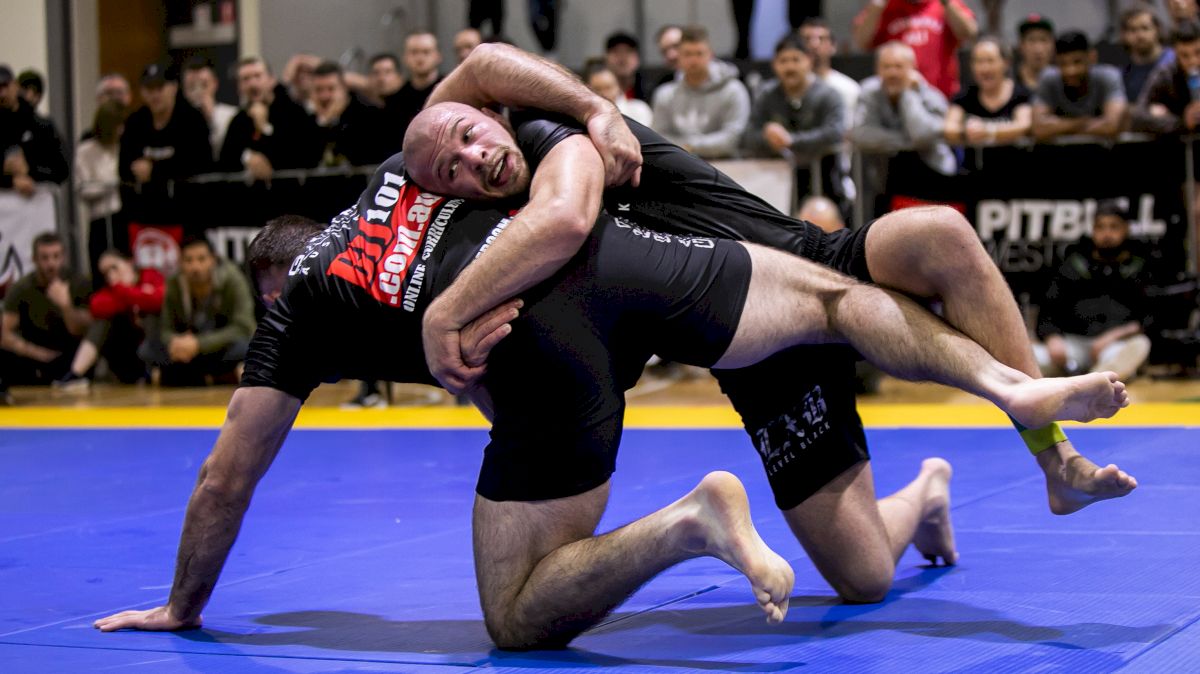
Why Grappling Is Australia’s Fastest-Growing Combat Sport Right Now
Live Sports Unleashed: Real-Time Thrills & Fan Frenzy!
Top Plays & Game-Changing Moments: The Week’s Most Spectacular Sports Highlights