
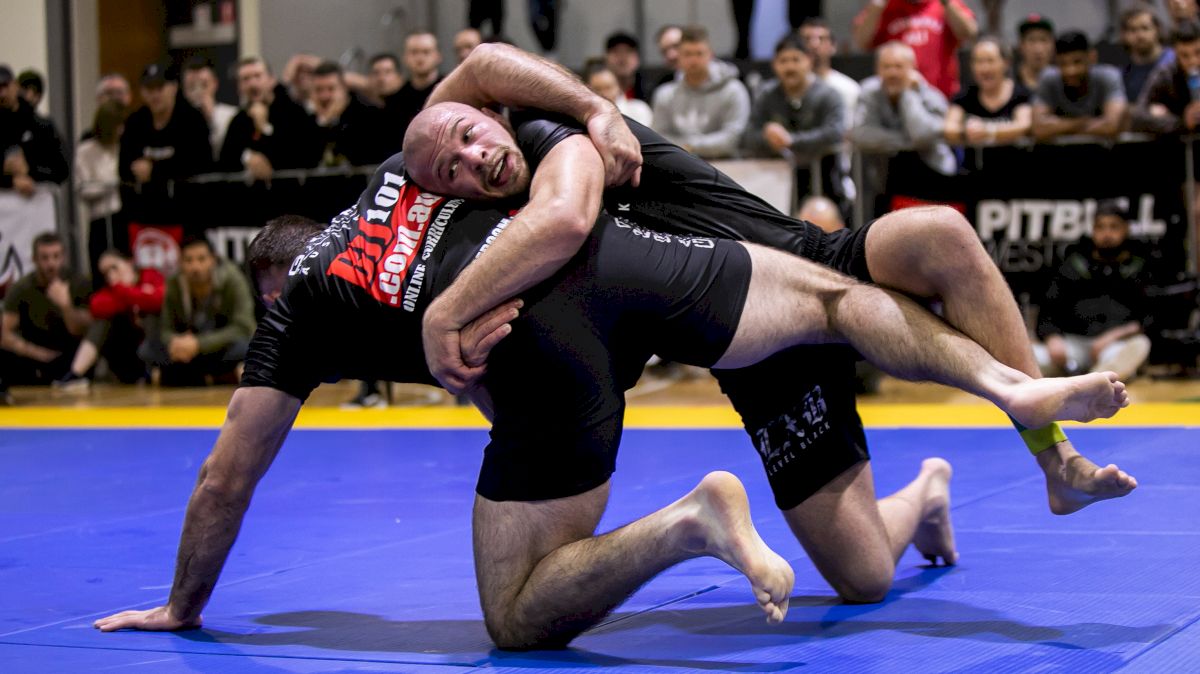
Walk into almost any suburb in Australia these days and you’re likely to spot it: a converted warehouse or shopfront with mats on the floor, gi jackets hanging by the door, and a class full of people in white or blue uniforms rolling around on the ground with focused grins on their faces. Brazilian Jiu-Jitsu, once a niche pursuit known mostly to mixed martial arts fans, has quietly become one of the most talked-about fitness and self-defence activities in the country. From capital cities to regional coastal towns, BJJ Gold Coast classes are filling up, and grappling more broadly is drawing a crowd that looks nothing like the stereotypical “martial arts kid in a karate uniform.” So what’s actually behind this surge, and what should a total beginner expect if they decide to give it a try?
A Sport Built on Word of Mouth
Unlike a lot of fitness trends that arrive via a slick marketing campaign, Brazilian Jiu-Jitsu’s growth in Australia has been largely grassroots. Most people who start training didn’t see an ad — they were dragged along by a friend, a colleague, or a training partner who wouldn’t stop talking about it. That kind of organic growth tends to stick, because it’s driven by genuine enthusiasm rather than hype. Academies report that a large share of new students arrive through referrals, and retention tends to be strong once someone gets past their first few nervous weeks on the mat.
Part of this is simply exposure. Combat sports coverage, mainstream mixed martial arts promotions, and a steady stream of instructional content online have all put grappling in front of far more eyes than a decade ago. But exposure alone doesn’t explain why people stay. That comes down to what actually happens once someone starts training.
The Fitness Angle: A Full-Body Workout in Disguise
Ask around any gym and you’ll hear some version of the same story: someone joined for self-defence or out of curiosity, and stayed because of how effective a workout it turned out to be. Brazilian Jiu-Jitsu is often described as physical chess — a fitting description, because it demands constant problem-solving under physical pressure. That combination tends to produce a workout that doesn’t feel like “exercise” in the traditional sense, even though it works the cardiovascular system, core strength, grip strength, and mobility simultaneously.
Because BJJ relies on leverage and technique rather than pure strength, it’s also unusually accessible. Sessions are typically structured so beginners drill techniques at a manageable pace before easing into live sparring, known as “rolling.” This makes it realistic for people who haven’t set foot in a gym in years, as well as for those already fit and looking for a new kind of challenge that doesn’t involve another treadmill session.
The Community Factor
Ask a long-time practitioner why they keep coming back, and fitness is rarely the only answer. The culture around grappling gyms tends to be described as unusually welcoming, largely because of the format itself: you can’t progress in Brazilian Jiu-Jitsu without a training partner, and that built-in interdependence tends to break down social barriers quickly. Students end up training with people from completely different walks of life — different ages, professions, and backgrounds — bonded by the shared experience of learning something genuinely difficult together.
For many, this community aspect becomes the primary reason they stay engaged for years rather than months. It’s a common pattern in combat sports generally, but grappling in particular seems to foster it because of how much physical trust and cooperation the sport requires just to train safely.
Self-Defence and Mental Focus
Self-defence remains one of the most commonly cited reasons people first look into martial arts, and Brazilian Jiu-Jitsu has built a reputation as one of the more practical options for that goal. Its techniques are built around controlling an opponent at close range and are designed to work regardless of size difference, which is part of why it appeals to a wide range of people, including those who might otherwise assume martial arts training “isn’t for them.”
There’s also a mental dimension that keeps coming up in conversations with practitioners. Training requires sustained concentration — a wandering mind gets swept or submitted quickly — which has a way of forcing complete presence for the duration of a session. Many describe this as a welcome break from the low-grade mental noise of daily life, comparable to the focus benefits people often associate with meditation, minus the stillness.
What a Beginner Can Actually Expect
For someone considering their first class, the unknowns can be intimidating. In practice, most academies structure beginner sessions to be approachable: expect a warm-up, instruction on a technique or two, some supervised drilling with a partner, and often a short, controlled sparring component depending on the gym and class level. No prior fitness level or experience is assumed, and most instructors are used to guiding complete newcomers through their first few sessions.
It’s also worth setting expectations early: the first month or two can be humbling. Progress in grappling is typically slow and technical, and it’s common to feel outmatched even by much smaller training partners who simply have more experience. That’s normal, and it’s part of why the culture places so much emphasis on patience and mutual respect between training partners of all levels.
On the Gold Coast, this growth is visible at academies such as Matrix Gym in Biggera Waters, one of a number of local venues where interest in grappling has climbed alongside the sport’s national profile. For anyone curious about martial arts but unsure where to start, a casual visit to observe a class — most gyms welcome this — is often the easiest way to see what the fuss is about before committing to a first session.
Whatever the initial motivation, whether it’s fitness, self-defence, community, or simple curiosity, Brazilian Jiu-Jitsu’s steady rise across Australia suggests it’s not a passing fad. It’s a sport that rewards patience, builds genuine camaraderie, and offers a style of training that’s difficult to replicate anywhere else in the fitness world.
More Stories
Live Sports Unleashed: Real-Time Thrills & Fan Frenzy!
Top Plays & Game-Changing Moments: The Week’s Most Spectacular Sports Highlights
Game-Changing Moments: The Best Sports Highlights of the Decade