
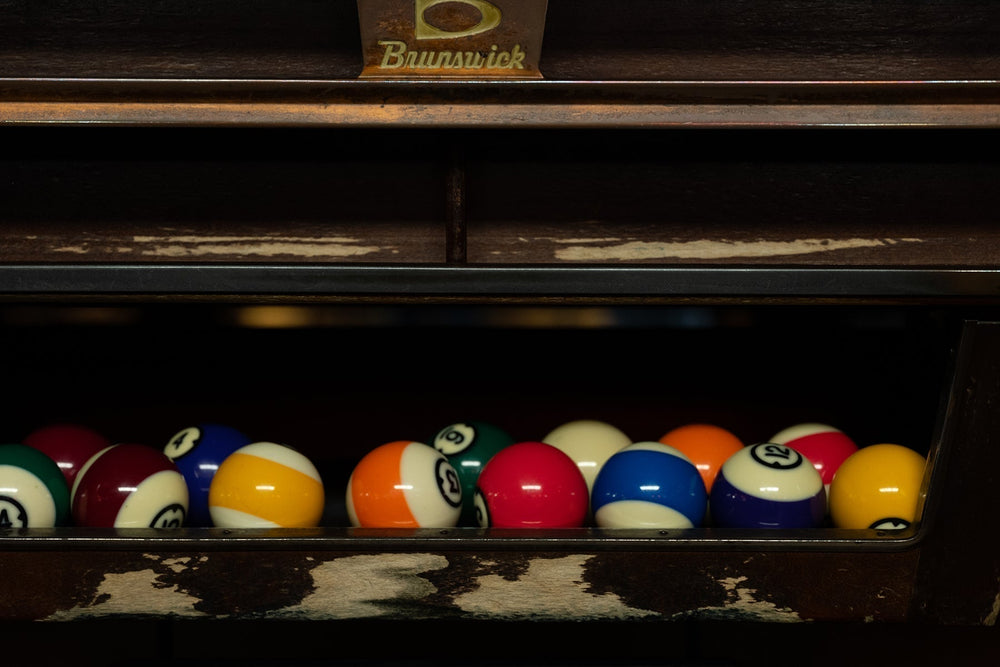
Selecting the right pool table boils down to evaluating internal construction materials, playfield leveling precision, and cushion responsiveness. A pool table is a major home investment that should last decades, yet cheap synthetic substitutes often disguise themselves behind polished wood veneers. Compromising on foundational components like the bed material or framing leads to warped playfields, unpredictable ball rolls, and costly replacements. Focusing on specific billiard supplies near me – San Marcos manufacturing standards ensures your table delivers professional-grade play and timeless aesthetic appeal.
Genuine Slate Beds vs. Synthetic Substitutes
The playing surface material defines how accurately billiard balls roll and determines the long-term durability of the entire unit. Genuine natural slate remains the industry gold standard for smooth, level play. Slate is formed from metamorphic rock that can be ground to near-perfect flatness, ensuring it never sags, swells, or warps when exposed to ambient humidity.
Cheap alternatives like medium-density fiberboard (MDF), slatron, or honeycomb wood cores warp over time due to temperature changes and weight distribution. A three-piece, three-quarter-inch or one-inch thick slate system allows professional installers to level each section independently during assembly. Investing in authentic slate guarantees a permanent, perfectly flat playing field that maintains its integrity for a lifetime.
Frame Construction and Solid Wood Support
Supporting heavy slate slabs requires a robust structural frame built from solid hardwoods rather than particle board or composite laminates. A full-sized three-piece slate bed weighs anywhere from four hundred to six hundred pounds. Cheap plywood frames bend under this immense weight over time, causing the slate sections to shift and ruin the seam alignment.
Look for tables featuring full-length center beams and interlocked cross-framing built from oak, maple, mahogany, or solid pine. Solid wood construction holds heavy-gauge cabinet screws securely, preventing joint loosening when players lean against the rails during shots. A solid framework distributes slate weight evenly down into the legs, maintaining permanent structural stability.
Natural Gum Rubber Cushions for True Rebound
Rail cushion quality dictates how consistently balls bounce off the perimeter walls during gameplay. Premium tables feature grade-A natural gum rubber cushions engineered in the standard K-66 profile. Natural rubber maintains its elasticity and firm density over decades, producing predictable energy transfer on bank shots.
Inexpensive tables substitute synthetic rubber or clay-filled cushions that harden and deteriorate rapidly. Synthetic materials develop dead spots within a few years, causing balls to thud and lose speed on contact instead of rebounding cleanly. Verifying that the rail cushions use molded natural gum rubber attached securely to a solid wood backing strip guarantees tournament-level cushion responsiveness.
Conclusion
Shopping for a pool table requires looking beyond surface aesthetics to inspect internal framing, bed composition, and rail mechanics. Prioritizing genuine three-piece slate, solid hardwood framing, and natural gum rubber cushions prevents future playfield warping and dead rebounds. Investing in high-grade materials guarantees superior ball control and eliminates the frustration of frequent recalibrations. Taking time to select a well-engineered table transforms your game room into a lasting entertainment centerpiece that delivers professional playability for years to come.
More Stories
Live Sports Unleashed: Real-Time Thrills & Fan Frenzy!
Top Plays & Game-Changing Moments: The Week’s Most Spectacular Sports Highlights
Game-Changing Moments: The Best Sports Highlights of the Decade